
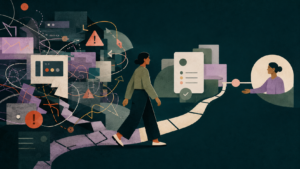
Designing for Mental Health: UX Strategies for Distressed Users
How designers can create empathetic interfaces that support people dealing With anxiety, depression, and other mental health challenges.
How designers can create empathetic interfaces that support people dealing With anxiety, depression, and other mental health challenges.
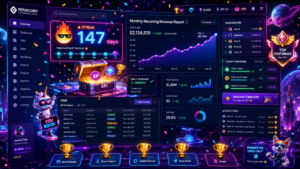
The next dark pattern crisis is being vibe coded by your revenue team. Design leadership needs a framework now.
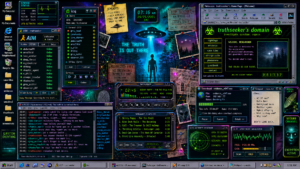
From Winamp skins to vibe-designed interfaces, AI is reopening the door to software that feels custom and fun.
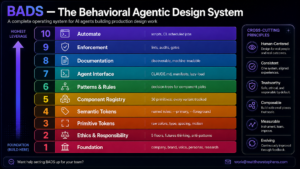
A look at building a behavioral agentic design system that AI can actually read, follow, verify, and learn from.
Why AI-generated prototypes are almost never accessible by default, and how I built a system to codify the manual fixes
Building accessible products has never been more important, or more achievable, than it is right now.
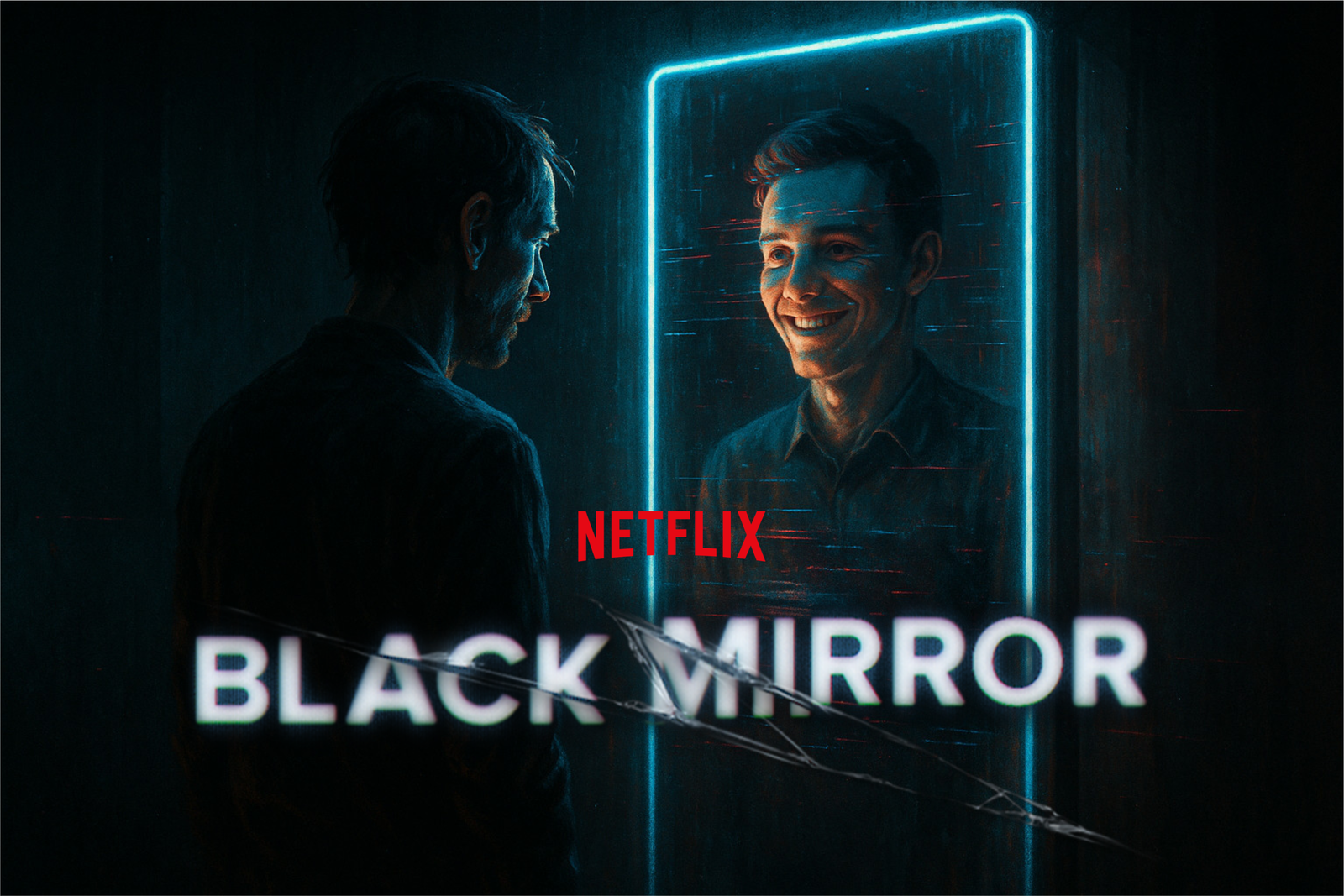
The Black Mirror Exercise is a workshop I created for design teams to explore that question. By turning ideas into Netflix-style “episodes,” teams uncover blind spots, define anti-goals, and start building with more foresight.

Designing digital experiences for kids means balancing creativity with responsibility. Here’s my proposal for a new standard in child-focused design.
Lessons from building a planning app for North America’s largest funeral provider.
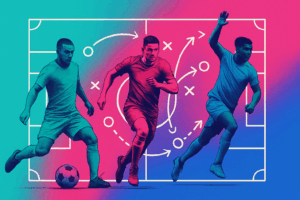
This piece breaks down how I apply coaching, formations, data, and culture-building from the field to the design studio.
A playbook and custom GPT for designing with speed, empathy, and trust in the era of AI.

Practical ways to make design more fun for yourself, your team, and your clients

Privacy isn’t a feature—it’s a necessity. This post explores the 8 core principles of privacy-first design and how to build products that respect and protect user data.
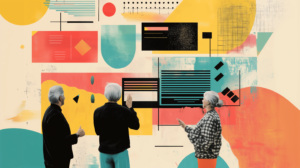
I wrote an article on how we can improve usability for all generations by focusing on older people.
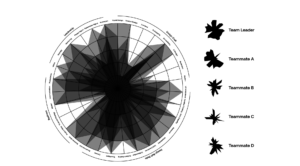
Using radar charts and AI to assess team strengths, spot gaps, and drive development and hiring.
In a world where technology is abundant, it’s not just about functionality anymore—it’s about how our products emotionally resonate and connect with people’s cultures and personal tastes.
I’m tired of feeling emotionally manipulated by everyone — corporations, politicians, nonprofits, you name it. As a design leader, I feel it’s my duty to help find better solutions.
My attempt at creating a roadmap for the next generation of design leaders.
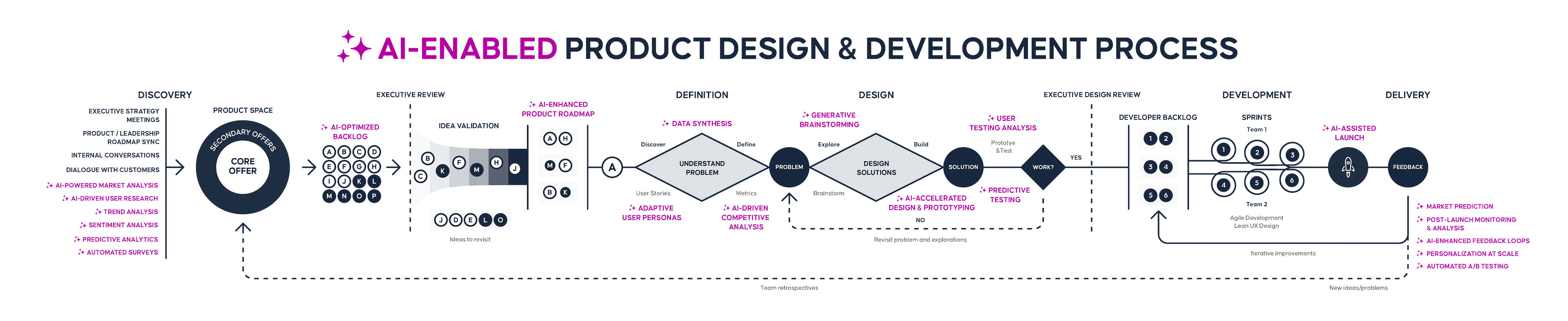
I get asked quite a bit about what the ideal process looks like for product teams, so figured I’d mock something up. Hopefully this is useful to others.

My latest article and Miroverse submission is a brainstorming exercise to consider the possible results of a particular decision, event, or trend.

An article I wrote for The Zebra on how we’ve added ethics into our design process.

New approach to brainstorming that focuses on what’s valuable, what you’re good at, and what needs to be improved. I use it all the time for generating new ideas and choosing what to prioritize first.

An article I wrote for The Zebra on the practical implementation of design ethics.

An article I wrote for The Zebra around quantifying the cost of design sprints.

An article I wrote for The Zebra about overcoming the challenge of distance in product planning.